Unlocking the Versatility of Alphabet Letter W in Modern Machine Embroidery
In the expansive world of textile customization, few elements offer as much creative potential as a single character. The Alphabet Letter W stands out not merely as a typographic symbol but as a foundational building block for personalization, branding, and artistic expression. When paired with high-quality machine embroidery designs, this letter transforms from a simple glyph into a vibrant statement piece. Whether you are a professional decorator looking to streamline your production workflow or a hobbyist eager to add a unique flair to home textiles, understanding the nuances of utilizing this specific design can elevate your projects significantly.
The integration of digital embroidery files into modern crafting allows for precision that hand stitching simply cannot match. A well-constructed machine embroidery design featuring the Alphabet Letter W ensures consistency across multiple items, from delicate linens to heavy-duty denim. This capability is crucial for businesses aiming to maintain brand identity while offering personalized touches to their clientele. By exploring the applications, technical considerations, and aesthetic possibilities of this design, creators can unlock new dimensions in their craft.
The Artistic Potential of Stylized Typography
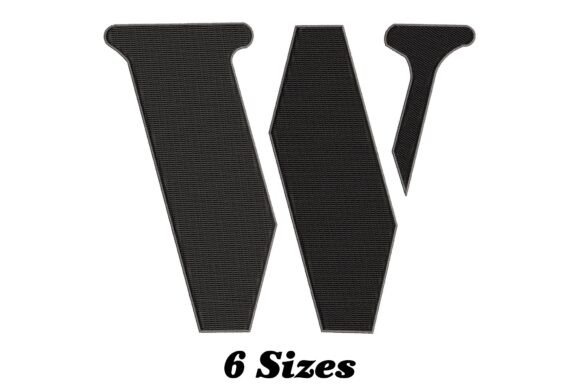
Typography in embroidery goes far beyond functional labeling. It serves as a primary vehicle for visual storytelling and stylistic definition. The Alphabet Letter W, with its symmetrical structure and dynamic angles, offers a canvas for diverse artistic interpretations. Designers often manipulate the weight, curve, and density of the strokes to create variations ranging from elegant script to bold, blocky sans-serifs. Each variation carries a distinct emotional weight, influencing how the final product is perceived by the viewer.
When selecting a design for your next project, consider the context in which the letter will appear. A flowing, cursive version of the W might be ideal for romantic themes, wedding invitations, or baby blankets, evoking a sense of softness and grace. Conversely, a geometric, sharp-edged iteration of the Alphabet Letter W suits industrial chic aesthetics, gym apparel, or corporate uniforms, projecting strength and modernity. The ability to choose between these styles allows creators to align their work perfectly with the intended message and audience expectations.
Furthermore, the interplay of thread colors within the letter structure adds another layer of complexity. Gradient fills, where the color shifts subtly from one end of the W to the other, can create an illusion of depth and movement. Alternatively, using contrasting fill and outline colors can make the letter pop against textured backgrounds like terry cloth or canvas. These artistic decisions transform a standard alphabetic character into a focal point that captures attention and enhances the overall aesthetic of the fabric item.
Adapting Designs for Varied Textile Surfaces
One of the most critical aspects of successful machine embroidery is understanding how different fabrics interact with the design. The Alphabet Letter W must be adapted based on the substrate to ensure durability and visual clarity. Lightweight materials such as silk or fine cotton require smaller stitch counts and finer threads to prevent puckering or distortion. In these cases, a simplified version of the letter with reduced underlay density is often necessary to maintain the integrity of the fabric.
On the other hand, heavier materials like towels, fleece, or denim can support more intricate details and higher stitch densities. Towels, in particular, present a unique challenge due to their looped pile. An effective design for towels often incorporates a stabilizer strategy that prevents the needle from sinking too deeply into the loops, ensuring the Alphabet Letter W remains crisp and legible. For home decor items such as pillowcases or table runners, the design can be scaled up to serve as a centerpiece, leveraging the larger surface area to showcase detailed shading and texture effects.
T-shirts represent another popular application, where stretchability is a key factor. Using a design that accommodates the natural give of jersey knit is essential. If the stitches are too tight, the fabric may pucker when worn; if too loose, the letter may lose definition over time. Professional embroiderers often adjust the pull compensation settings on their machines specifically for the Alphabet Letter W when working with knits, ensuring that the finished product looks professional and feels comfortable against the skin.
Technical Considerations for Seamless Integration
The utility of a machine embroidery design is heavily dependent on its file format compatibility. Modern embroidery machines utilize a variety of proprietary and universal formats, and having access to multiple options is a significant advantage. A comprehensive design package for the Alphabet Letter W typically includes formats such as PES, DST, JEF, XXX, and VP3. This versatility ensures that whether you are operating a Brother, Janome, Tajima, or Pfaff machine, you can import the design without the need for complex conversion software that might alter stitch quality.
Stitch count is another vital metric to consider. While a higher stitch count often correlates with greater detail, it also increases production time and thread consumption. For small-scale projects or quick turnarounds, a lower stitch count version of the W might be preferable. Conversely, for high-end custom pieces where every nuance matters, a dense stitch count provides a richer, more polished look. Understanding the balance between efficiency and quality allows professionals to optimize their workflow and manage costs effectively.
Hooping techniques play a pivotal role in the final outcome. The Alphabet Letter W should be positioned carefully within the hoop to avoid edge stitching issues. For larger designs, multi-hooping may be required, necessitating precise registration marks to ensure seamless alignment. Proper tension settings are equally important; incorrect tension can lead to skipped stitches or bird nesting, particularly in the curves and intersections of the letter. Regular maintenance of the machine and frequent testing on scrap fabric are best practices that guarantee consistent results.
Streamlining Production for Business Owners
For business owners in the apparel and gift industry, the Alphabet Letter W design represents more than just a creative element; it is a tool for scalability and brand differentiation. Customizable monograms are a perennial favorite among consumers seeking personalized gifts. By offering a range of styles for this single letter, businesses can cater to diverse customer preferences without needing to invest in entirely new design libraries. This flexibility reduces overhead while expanding the product catalog.
Bulk production benefits immensely from the reliability of digital files. Once the design parameters are set, the machine can reproduce the Alphabet Letter W hundreds of times with identical precision. This consistency is crucial for maintaining quality control in large orders, such as corporate event swag or team uniforms. Additionally, the ability to quickly swap thread colors allows for rapid adaptation to seasonal trends or specific client requests, keeping the business agile and responsive to market demands.
Marketing strategies can also leverage the visual appeal of these embroidered letters. High-resolution images of the finished products, showcasing the vibrant and imaginative flair of the design, can drive engagement on social media platforms. Demonstrating the versatility of the design across various products—from tote bags to hoodies—helps potential customers visualize the possibilities, encouraging them to place orders for customized items.
Creative Applications Beyond Traditional Textiles
While t-shirts and towels are common canvases, the applications for the Alphabet Letter W extend far beyond traditional clothing. Home decor enthusiasts are increasingly turning to embroidery to personalize their living spaces. Throw pillows, wall hangings, and even lampshades can be transformed with a striking embroidered initial. The tactile nature of embroidery adds a dimension of warmth and craftsmanship that printed graphics often lack, making it a preferred choice for interior designers and DIY decorators alike.
Educational institutions and researchers also find value in these designs. Schools often use embroidered initials for book covers, name tags, and classroom decorations, fostering a sense of ownership and pride among students. In research settings, durable labels created with the Alphabet Letter W can identify equipment or samples, providing a long-lasting solution that withstands harsh environments better than paper tags. The durability of machine embroidery makes it suitable for both decorative and functional purposes across various sectors.
Hobbyists and creators often experiment with mixed media, combining embroidery with painting, appliqué, or beading. The Alphabet Letter W serves as an excellent base for such experiments, acting as a structural anchor around which other artistic elements can be arranged. This approach encourages innovation and allows individuals to push the boundaries of traditional textile arts, creating one-of-a-kind pieces that reflect their unique style and vision.
Future Trends in Digital Textile Customization
As technology advances, the future of machine embroidery promises even greater sophistication. Innovations in smart machines and automated hooping systems are reducing the barrier to entry for complex designs, making it easier for users to achieve professional results. The Alphabet Letter W, along with other alphabetic characters, will likely see increased integration with augmented reality (AR) features, allowing customers to preview how the design will look on their chosen fabric before committing to production.
Sustainability is also becoming a major focus in the textile industry. Eco-friendly threads and biodegradable stabilizers are gaining popularity, aligning with the growing consumer demand for environmentally responsible products. Designers are adapting their patterns to minimize waste and maximize material efficiency, ensuring that the Alphabet Letter W can be produced with a smaller ecological footprint. This shift towards sustainable practices underscores the evolving nature of the craft and its relevance in a conscious marketplace.
Ultimately, the enduring appeal of the Alphabet Letter W lies in its simplicity and adaptability. It bridges the gap between mass production and bespoke artistry, offering a versatile solution for a wide array of needs. By embracing the technical capabilities and creative possibilities of machine embroidery, professionals and hobbyists alike can continue to innovate and inspire through the power of a single, stylized letter.