Teacher Pencil: A Whimsical Embroidery Design for Fabric Projects
The intersection of education-themed decor and functional textile art often leads crafters to seek designs that are both recognizable and charming. The Teacher Pencil embroidery design occupies this niche, offering a playful representation of a classic classroom tool. This machine embroidery pattern is designed to bring a touch of nostalgia and fun to various fabric items, ranging from apparel to home textiles. For individuals evaluating whether this specific design aligns with their creative goals, it is essential to examine its characteristics, technical requirements, and potential applications objectively.
Understanding the Teacher Pencil Design
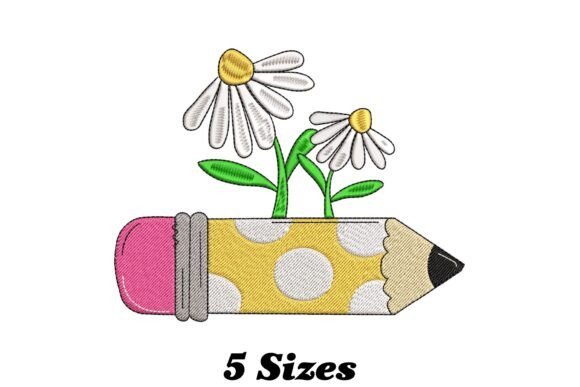
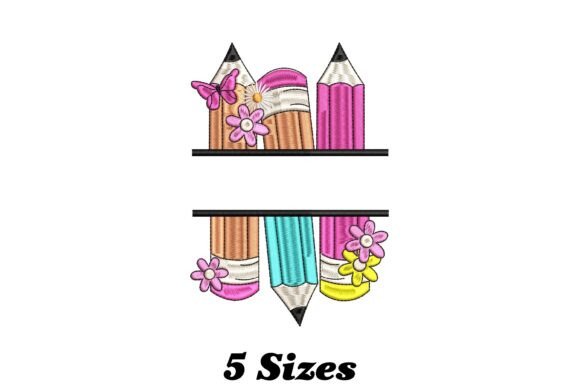
The Teacher Pencil is not merely a depiction of a writing instrument; it is a stylized graphic intended for digitized stitching. Typically, these designs feature a pencil with exaggerated or whimsical elements, such as a smiling face, a chalkboard eraser topper, or decorative patterns along the barrel. The design is created specifically for computerized embroidery machines, meaning it consists of a sequence of stitches rather than a static image. When stitched onto fabric, the result is a textured, raised design that captures the essence of school supplies in a soft, tactile medium.
This particular design is marketed as a versatile asset for hobbyists and small business owners alike. It comes packaged with multiple file formats, ensuring compatibility with a wide range of embroidery software and machines. This multi-format availability is a significant factor for users who may own different brands of equipment or plan to collaborate with others using varied hardware.
Reasons to Consider This Design
Several factors might lead a crafter to select the Teacher Pencil over other options. First, the theme is universally understood. Whether the project is intended for a teacher appreciation gift, a back-to-school sale item, or personal home decor, the imagery resonates immediately with the target audience. There is no need to explain the concept; the visual language of a pencil speaks directly to themes of learning, creativity, and childhood.
Secondly, the "whimsical" nature of the design allows it to bridge the gap between professional and casual aesthetics. Unlike rigid, corporate logos, a playful pencil can soften the look of a standard white t-shirt or add a unique character to a plain kitchen towel. For those looking to inject personality into mass-produced items, this design serves as an effective focal point without overwhelming the garment.
Furthermore, the inclusion of multiple file formats addresses a common pain point in the embroidery community: compatibility issues. By providing files suitable for major machine brands, the design reduces the friction of setup time. Users do not need to spend hours converting files or troubleshooting errors caused by incompatible formats, allowing them to focus on the physical execution of the stitch.
Benefits and Practical Applications
The primary benefit of the Teacher Pencil design lies in its adaptability. It is well-suited for a variety of substrates. On t-shirts, the design can be placed on the chest for a subtle nod to a profession or on the sleeve for a smaller accent. On towels, particularly hand towels or washcloths, the durable nature of embroidery ensures the design withstands frequent washing, making it ideal for gifts that will see regular use.
In the realm of home decor, the design finds application on pillowcases, tote bags, and even aprons. The texture added by the embroidery elevates simple cotton fabrics, giving them a handmade, artisanal quality. Because the design is relatively compact compared to large monograms or complex scenes, it does not require excessive hoop space, making it accessible for users with smaller machines.
Additionally, the digital nature of the product means there are no shipping costs or waiting periods for physical materials. Once downloaded, the file can be used indefinitely, allowing for unlimited production runs if the user decides to create a line of products.
Technical Considerations and Tradeoffs
While the design offers versatility, there are tradeoffs to consider. Machine embroidery requires a level of technical proficiency. Unlike screen printing, which can cover large areas quickly, embroidery is time-consuming per unit. A detailed pencil design with shading or text may take several minutes to stitch, impacting production speed for larger orders.
Stabilization is another critical factor. Because pencils are often depicted with fine lines (such as the graphite tip or wood grain), the design relies heavily on proper stabilizer usage. Without adequate backing, especially on stretchy fabrics like jersey knit t-shirts, the design may pucker or distort. Users must be prepared to invest in appropriate stabilizers and practice hooping techniques to achieve a professional finish.
Furthermore, while the design includes multiple formats, it does not guarantee perfection on every machine. Differences in tension settings, needle types, and thread quality can alter the final appearance. Users should always run a test stitch on scrap fabric before committing to a final project.
When Alternatives May Be Preferable
The Teacher Pencil is not the optimal solution for every project. If a crafter requires a highly detailed, photo-realistic image, embroidery may not be the best medium. Digitized designs rely on stitch density to create images, and extremely fine details can get lost or become muddy when stitched. In such cases, heat transfer vinyl (HTV) or direct-to-garment (DTG) printing might offer sharper resolution and faster turnaround times.
Similarly, if the project involves very delicate or sheer fabrics, the weight of the thread and the punctures required for embroidery could damage the material. For lightweight chiffon or silk, alternative decoration methods that do not involve heavy stitching would be more appropriate.
Cost is also a consideration. While the digital download itself is often affordable, the ongoing cost of thread, needles, stabilizers, and machine maintenance adds up. For one-off projects where the budget is tight, simpler applique or iron-on patches might be more economical.
Decision-Making Insights
To determine if the Teacher Pencil design aligns with your needs, evaluate your current resources and end goals. Ask yourself if you have access to a compatible embroidery machine and the necessary stabilizers. Consider the volume of items you intend to produce; if you are creating a single gift, the time investment is likely negligible. However, if you are launching a small business, calculate the cost per hour of stitching to ensure profitability.
Also, assess the aesthetic you wish to convey. If your brand or project focuses on durability, texture, and a handmade feel, this embroidery design is a strong fit. If the priority is speed, ultra-fine detail, or covering large surface areas, you may find other methods more efficient.
Ultimately, the Teacher Pencil design serves as a practical tool for adding charm and character to fabric projects. Its success depends less on the digital file itself and more on the skill of the operator and the suitability of the chosen materials. By weighing the benefits of texture and durability against the constraints of time and technical complexity, crafters can make an informed decision about incorporating this whimsical motif into their work.