Stylish Letter H: A Practical Guide to Elevating Textile Projects
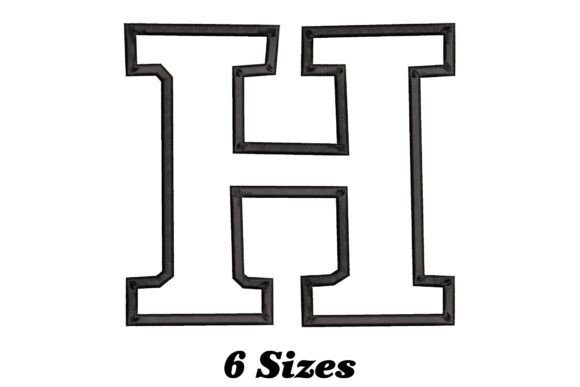
For crafters and textile artists, the choice of a monogram or initial design often sets the tone for an entire project. The Stylish Letter H has emerged as a distinct option for those seeking to add a personalized touch without resorting to generic fonts. This embroidery design is not merely a character; it is a curated aesthetic element designed to transform standard fabrics into unique pieces. Whether applied to a casual t-shirt, a set of bath towels, or intricate home decor, this design offers a vibrant and imaginative flair that stands out in a crowded market of digital patterns.
However, selecting the right embroidery file requires more than just visual appeal. It demands an understanding of how the design interacts with different materials, machine capabilities, and intended use cases. This guide explores the specific attributes of the Stylish Letter H, compares it against alternative approaches, and helps you determine if this design aligns with your creative goals and technical constraints.
Defining the Aesthetic: What Makes This Design Distinct
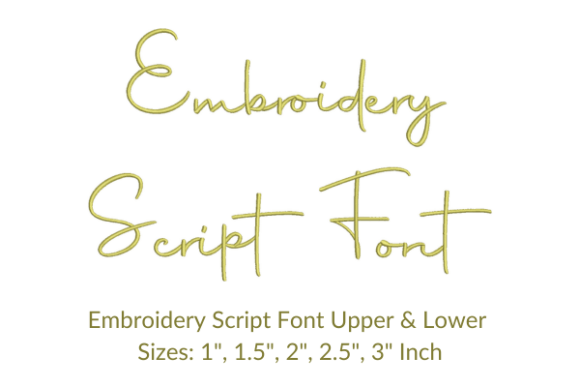
The Stylish Letter H distinguishes itself through its balance of complexity and clarity. Unlike basic block letters that can appear flat or industrial, this design incorporates flowing lines and decorative elements that suggest movement and elegance. The structure is engineered to maintain legibility even when scaled down, while retaining enough detail to look substantial on larger surfaces.
What sets this specific iteration apart is its adaptability. Many embroidery designs are rigid, looking best only on one type of fabric or within a specific size range. In contrast, the Stylish Letter H is constructed with stitch density variations that allow it to sit comfortably on soft knits like t-shirts without puckering, while also providing enough coverage for absorbent cottons like towels. The "delightful" nature of the design comes from its ability to bridge the gap between modern minimalism and classic ornamentation, making it a versatile asset for various projects.
Comparing Formats and Machine Compatibility
A critical factor in evaluating any digital embroidery pattern is file compatibility. One of the primary strengths of the Stylish Letter H package is its inclusion of multiple embroidery file formats. In the world of machine embroidery, software fragmentation is a common hurdle. Different machines—whether from Brother, Bernina, Janome, or Pfaff—often require proprietary file types such as .PES, .JEF, .DST, or .EXP.
When comparing this design to single-format alternatives, the value proposition becomes clear. Purchasing a design that only supports one format limits your workflow, potentially requiring expensive conversion software or restricting you to a specific brand of machine. By offering a multi-format bundle, this resource removes a significant barrier to entry. It ensures that the design remains accessible regardless of the hardware you own.
- Multi-Format Advantage: Eliminates the need for third-party converters, which can sometimes alter stitch counts or introduce errors.
- Workflow Efficiency: Allows immediate transfer to the machine, saving time during project planning.
- Future-Proofing: If you upgrade your machine to a different brand, the design remains usable.
While some designers offer universal formats like .PES as a default, relying on a single format carries risks. Conversion tools are generally reliable, but they are not infallible. They may fail to recognize complex underlay stitches or color changes, leading to a finished product that does not match the preview. The Stylish Letter H avoids these pitfalls by providing native files for major machine brands, ensuring the stitch path remains exactly as the designer intended.
Evaluating Material Suitability and Application
The versatility of the Stylish Letter H extends beyond software compatibility to physical application. When choosing an embroidery design, the texture and weight of the fabric are paramount. A design that looks perfect on a dense canvas might sink into a delicate silk or cause excessive tension on a stretchy jersey.
This design is particularly well-suited for medium-weight fabrics. For example, on a standard 100% cotton t-shirt, the stitch density is calibrated to prevent the fabric from warping. On thicker items like bath towels, the design's structure allows the loops of the towel to be captured effectively, creating a raised, textured effect that enhances the "vibrant" quality mentioned in its description. However, users should exercise caution with extremely sheer fabrics or heavy denim. While the design is robust, very thin materials may require stabilizers or backing adjustments to support the weight of the thread, regardless of the design's inherent efficiency.
Consider the following scenarios where this design excels compared to simpler alternatives:
- Home Decor: When used on pillowcases or throw blankets, the intricate details of the letter H add a layer of sophistication that simple text cannot achieve.
- Personalized Gifts: For monogrammed towels or robes, the stylish nature of the font elevates a utilitarian item into a premium gift.
- Apparel Branding:: Small businesses can use this design to create custom merchandise that feels bespoke rather than mass-produced.
Tradeoffs and Limitations to Consider
Despite its strengths, the Stylish Letter H is not a universal solution for every embroidery need. Understanding its limitations is essential for making an informed decision. The primary tradeoff lies in the level of detail. Because the design includes decorative flourishes, it requires more thread and takes longer to stitch than a plain sans-serif letter. For high-volume production runs where speed is the priority, a simpler font might be more cost-effective.
Additionally, the aesthetic style is specific. The "stylish" and "imaginative" nature of the design implies a certain level of ornamentation. If your project requires a strictly corporate, minimalist, or ultra-modern look without any decorative curves, this design might feel too ornate. It is best suited for contexts where personality and warmth are desired. If you are embroidering on a uniform that requires strict adherence to a corporate identity guideline, a plainer alternative would likely be the safer choice.
Decision Factors: Is This the Right Choice for You?
Determining whether the Stylish Letter H fits your project involves weighing several practical factors. First, assess your machine's hoop capacity. While the design is scalable, overly enlarging a detailed letter can lead to stitching issues, such as skipped stitches or thread breaks, if the design was not originally created at that scale. Conversely, shrinking it too much may obscure the decorative elements that define its style.
Second, consider your skill level and available time. Because this design features more complex stitch paths than a basic outline, it may require slightly more attention during hooping and stabilizing to ensure perfect results. Beginners might find the process rewarding but should be prepared to follow best practices for tension and backing. Experienced users will appreciate the nuance in the stitch count and the way the design handles color changes.
Finally, evaluate the end goal. If the objective is to create a piece that feels handcrafted and unique, the Stylish Letter H is an excellent candidate. Its ability to blend well with various textures makes it a strong contender for home decor and personal apparel. However, if the goal is rapid, low-cost replication on varied substrates, a simpler, less detailed font might offer better efficiency.
Conclusion: Balancing Style and Function
In the realm of machine embroidery, the right design acts as the bridge between a concept and a tangible object. The Stylish Letter H offers a compelling balance of aesthetic appeal and technical functionality. By providing multiple file formats, it addresses the logistical challenges of modern embroidery, while its design specifics cater to a wide range of fabrics from t-shirts to home textiles.
While it may not be the optimal choice for every single scenario—particularly those demanding extreme minimalism or maximum production speed—it stands out as a superior option for projects where visual impact and personalization are priorities. By understanding its strengths, limitations, and ideal applications, you can confidently decide if this delightful embroidery design is the right tool to bring your creative vision to life. Ultimately, the value lies not just in the file itself, but in how effectively it transforms ordinary materials into something memorable and uniquely yours.