Pencil Coquette Bow: A Stylish Addition to Your Embroidery Workflow
In the realm of textile customization and small-batch manufacturing, the choice of design often dictates the marketability and aesthetic appeal of a final product. The Pencil Coquette Bow embroidery design represents more than just a decorative motif; it is a strategic asset for creators looking to infuse whimsy and elegance into their fabric projects. Whether you are a professional embroiderer managing a tight production schedule or a hobbyist refining your personal craft, integrating this specific design requires an understanding of its structural properties, file compatibility, and optimal application scenarios.
This guide explores how to effectively incorporate the Pencil Coquette Bow into your creative process, from initial planning and digitization checks to the final stitching execution. By treating this design as a functional component of your workflow, you can ensure consistent quality, maximize machine efficiency, and elevate the perceived value of your finished goods.
Understanding the Design Architecture
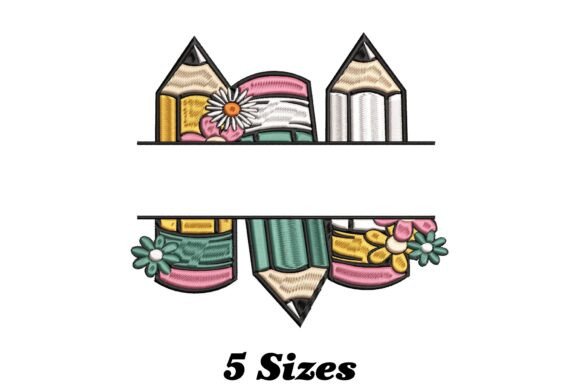
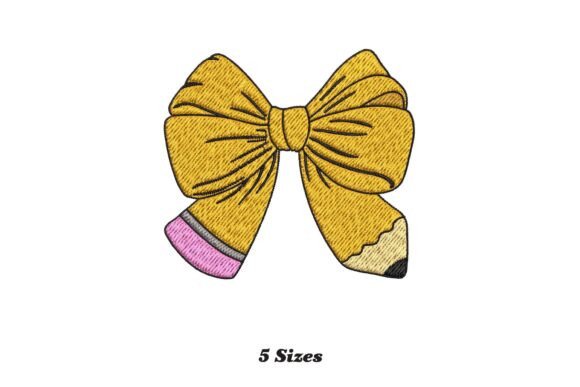
The Pencil Coquette Bow is characterized by its delicate lines and soft curves, mimicking the aesthetic of a hand-drawn sketch while maintaining the precision required for machine embroidery. Unlike dense, heavy satin stitch patterns that require extensive stabilizing, this design utilizes a lighter stitch count, making it ideal for various fabric weights without causing excessive puckering. Understanding this architectural difference is crucial during the planning phase of any project.
When evaluating new assets for your portfolio, consider how the visual weight of the design interacts with the intended substrate. The pencil-style rendering of the bow suggests a casual yet sophisticated vibe, fitting seamlessly into the "coquette" trend that blends vintage romance with modern minimalism. This versatility allows the design to function as a focal point on a simple garment or as a subtle accent on complex home décor items.
File Formats and Machine Compatibility
A critical step in implementing the Pencil Coquette Bow is ensuring file compatibility across your equipment. Modern embroidery workflows rely on seamless data transfer between design software and the physical machine. This design package typically includes multiple industry-standard file formats, such as .PES, .DST, .JEF, and .EXP. Having access to these varied formats eliminates the need for third-party conversion tools, which can sometimes introduce errors or alter stitch density.
Before loading the design, verify that your machine's hoop size accommodates the dimensions of the bow. While the design is generally compact, checking the bounding box within your embroidery software prevents wasted thread and time. If you are using a multi-needle commercial machine, ensure the color changes align with your current thread inventory to minimize interruptions during the run.
Strategic Application Across Projects
The true value of the Pencil Coquette Bow lies in its adaptability across different product categories. Integrating this design into your workflow involves identifying where it adds the most impact relative to your target audience and brand identity.
Apparel Customization
For t-shirts, tote bags, and light jackets, the design serves as an excellent branding element or stylistic statement. When planning apparel runs, position the bow on areas that allow for natural movement without distorting the pattern. Common placements include the left chest pocket area, the lower hem, or the back of a collar. Because the stitch count is moderate, it works well on both cotton blends and jersey knits, provided the correct stabilizer is used.
Consider the lifecycle of the garment. A design like the Pencil Coquette Bow, with its softer aesthetic, tends to age gracefully, resisting the stiffening that often occurs with heavy embroidery after repeated washes. This longevity makes it a sound investment for businesses focused on sustainable fashion or high-quality basics.
Home Décor and Textiles
In the context of home textiles, such as towels, pillowcases, and table linens, the design introduces a touch of curated charm. When executing these projects, pay close attention to fabric tension. Towels, in particular, have a looped pile that can interfere with needle penetration if not properly hooped. Using a water-soluble topping alongside a cutaway stabilizer ensures the stitches lay flat and the bow retains its definition against the textured surface.
For larger items like throw pillows, the design can be scaled slightly or repeated in a pattern. However, scaling should be done cautiously. Increasing the size of a pencil-stitch design too much may reveal gaps in the fill, compromising the visual integrity. Always test a sample on scrap fabric before committing to a full production run.
Optimizing the Production Process
Efficiency in embroidery is achieved through meticulous preparation and organized execution. The Pencil Coquette Bow fits into a streamlined workflow when treated as a standardized asset rather than an ad-hoc addition.
Preparation and Stabilization
Before the needle touches the fabric, the foundation must be secure. For the Pencil Coquette Bow, a tear-away or cutaway stabilizer is recommended depending on the fabric's stretch. On stable woven fabrics, a tear-away provides sufficient support and removes cleanly. For stretchy materials like those used in activewear or fitted caps, a cutaway stabilizer maintains the shape of the bow over time.
Hooping technique is equally vital. Ensure the fabric is drum-tight but not distorted. A loose hoop can lead to registration issues, where the loops of the bow do not align correctly, ruining the symmetrical appearance. Take the time to mark the placement point with a water-soluble pen to ensure accuracy, especially when working on pre-made items like existing t-shirts or towels.
Thread Selection and Color Planning
The aesthetic of the Pencil Coquette Bow relies heavily on thread choice. While black or charcoal threads emphasize the "pencil sketch" look, pastel shades can enhance the coquette vibe. Plan your color palette early in the design phase to avoid mid-project delays. If producing a batch of items, organize your thread cones by color sequence to facilitate quick changes.
Consider the sheen of the thread as well. Polyester threads offer durability and a slight luster that highlights the curves of the bow, while rayon provides a softer, matte finish that complements the hand-drawn aesthetic. Test swatches under the lighting conditions where the final product will be displayed to ensure the color renders as expected.
Quality Control and Long-Term Viability
Maintaining consistency is essential for building trust with clients or customers. Implement a quality control checkpoint after every few pieces produced with the Pencil Coquette Bow. Inspect the stitching for skipped stitches, loose ends, or uneven tension. These issues are often detectable immediately upon completion and can be corrected before the item moves to packaging or sale.
Long-term use of this design also involves managing your digital library. Store the original files in a structured directory system, clearly labeled with format types and version numbers. This organization ensures that if you need to revisit the project months later, you can retrieve the correct file instantly without searching through disorganized folders. Additionally, keeping a record of successful stabilizer and thread combinations for specific fabric types creates a valuable reference guide for future projects.
Scaling for Business Growth
As your operations grow, the Pencil Coquette Bow can serve as a signature element across a diverse product line. Its simplicity allows it to be paired with other motifs or text without creating visual clutter. For entrepreneurs, this flexibility supports the creation of cohesive collections that tell a unified brand story. Whether sold individually or as part of a bundle, the design adds a layer of professionalism and thoughtfulness that distinguishes handmade or custom goods from mass-produced alternatives.
By approaching the Pencil Coquette Bow with a focus on process, compatibility, and quality assurance, you transform a simple embroidery file into a powerful tool for creative expression and business success. The result is a collection of products that not only look charming but are executed with the precision and care that discerning customers expect.