Alphabet Letter Q: A Stylish Embroidery Design for Professional and Creative Workflows
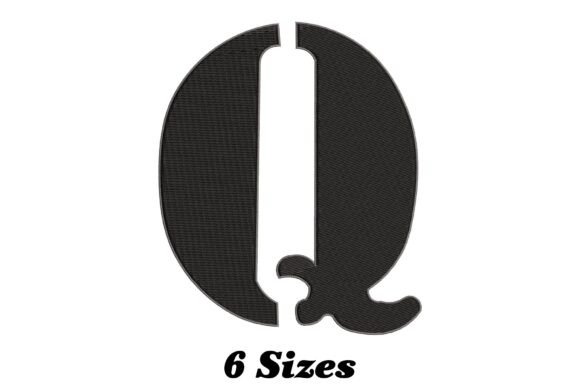
The letter Q often presents a unique challenge in design due to its distinctive tail and rounded structure. In the context of machine embroidery, an Alphabet Letter Q is more than just a character; it is a versatile asset that can anchor monograms, brand initials, or personalized gifts. For professionals managing small businesses, educators creating classroom materials, or hobbyists refining their craft, integrating this specific design into a workflow requires understanding its structural nuances and technical compatibility. This article explores how to effectively utilize the Alphabet Letter Q embroidery design to elevate fabrics with a vibrant and imaginative flair while maintaining high standards of quality and efficiency.
Understanding the Design Structure and Application
The Alphabet Letter Q stands out in any typographic set because of its complexity compared to simpler letters like O or I. When translating this character from digital vector art to physical thread on fabric, the interaction between the main loop and the descending tail becomes critical. A well-executed design ensures that the tail does not become too thin, which can lead to breakage during stitching, nor too thick, which can cause puckering on delicate materials. Understanding these structural elements is the first step in planning a successful embroidery project.
In a broader creative process, the Alphabet Letter Q serves as a focal point. It is frequently used before the final production stage to test stitch density and tension settings. During the execution phase, it acts as the primary visual element on t-shirts, towels, or home decor items. After the project is complete, the quality of the Q determines the perceived value of the finished product. Whether you are a freelancer delivering custom orders or a small business owner branding merchandise, the integrity of this single letter can define the professionalism of your output.
Integrating the Design into Your Production Workflow
Effective implementation of the Alphabet Letter Q begins with preparation. Before loading the file into your machine, it is essential to assess the substrate. Different fabrics react differently to the dense stitching required for a legible Q. Heavyweight denim or canvas allows for larger designs with intricate fill patterns, while lightweight cotton or linen may require a simplified version of the letter to prevent distortion. This assessment phase is crucial for maintaining consistency across multiple items.
Once the fabric is selected, the next step involves digitization compatibility. The Alphabet Letter Q design provided comes with multiple embroidery file formats, ensuring broad usability. This feature is vital for entrepreneurs who may operate mixed fleets of machines or collaborate with external embroidery services. By having access to standard formats such as .PES, .DST, .JEF, and .EXP, you eliminate the friction of file conversion, allowing you to move seamlessly from design selection to machine setup. This flexibility supports a streamlined workflow where time is saved on technical troubleshooting and redirected toward creative execution.
Pre-Project Planning and Material Selection
Planning is the cornerstone of efficient embroidery. When incorporating the Alphabet Letter Q into a new project, consider the placement strategy early on. Is the letter intended for a chest pocket on a work shirt, the hem of a towel, or the center of a decorative pillow? Each location dictates the size and orientation of the design. For instance, placing a Q on a curved surface like a cap requires a different stabilization approach than placing it on a flat t-shirt front. Using a hoop that matches the curvature of the garment ensures that the tail of the Q remains straight and the loops remain round.
Stabilization is another critical factor. The weight of the thread and the density of the stitches in the Alphabet Letter Q design can pull on the fabric if not properly supported. Selecting the correct stabilizer—whether tear-away, cut-away, or wash-away—depends on the stretch and weight of the base material. For professional results, always conduct a test run on a scrap piece of the same fabric. This practice allows you to verify that the Q maintains its shape and that the tail does not merge with the bottom edge of the loop, a common issue if the design is scaled too small.
Technical Compatibility and Machine Setup
The versatility of the Alphabet Letter Q design lies in its ability to interact with various embroidery machines. Modern machines offer different needle positions, thread colors, and stitch speeds. To achieve the best outcome, configure your machine settings according to the specific requirements of the design. If the design includes satin stitches for the outline of the Q, ensure your machine's tension is calibrated to produce smooth, glossy lines without gaps. Conversely, if the interior uses fill stitches, check that the underlay is sufficient to support the top layer.
Color management also plays a significant role in the visual impact of the letter. While the design files often include default color sequences, customizing the palette can enhance the vibrancy of the final product. For a stylish update to existing fabrics, consider using contrasting thread colors. A metallic gold Q on a navy blue towel creates a sophisticated look suitable for corporate events, while a pastel pink Q on a white t-shirt offers a playful aesthetic for personal projects. The ability to modify the color scheme within your machine's software allows for rapid iteration and customization without needing to re-digitize the entire letter.
Optimizing Efficiency and Quality Control
Efficiency in embroidery is measured by the balance between speed and quality. Rushing through the stitching process can lead to thread breaks, skipped stitches, or uneven tension, all of which compromise the appearance of the Alphabet Letter Q. Instead, focus on consistent pacing. Allow the machine to complete the design at its recommended speed, especially when navigating the sharp angles of the Q's tail. Regular maintenance of the machine, including cleaning the bobbin area and replacing dull needles, ensures that every stitch lands precisely where intended.
Quality control should be integrated into every stage of the workflow. After the machine finishes the design, inspect the Q closely. Check for loose threads, particularly around the tail, which is prone to snagging. Ensure that the backing has been removed cleanly without pulling on the stitches. For bulk orders, establish a checklist that includes verifying the alignment, color accuracy, and overall finish of each item. This systematic approach minimizes waste and ensures that every piece meets the high standards expected by clients or end-users.
Practical Use Cases and Creative Implementation
The applications for the Alphabet Letter Q extend beyond simple monogramming. Educators can use this design to create personalized name tags for students, adding a touch of creativity to classroom organization. Small business owners can incorporate the initial of their company logo onto uniforms or promotional tote bags, reinforcing brand identity with a tactile, high-quality finish. Bloggers and content creators might use embroidered Qs on backdrops or props to add visual interest to their photos and videos.
For home decor enthusiasts, the Alphabet Letter Q offers a way to personalize living spaces. Embroidering the letter onto throw pillows, bath mats, or kitchen towels adds a custom touch that mass-produced items cannot replicate. The design's adaptability allows it to fit various styles, from rustic farmhouse aesthetics to modern minimalist interiors. By choosing the right thread texture and color, the same Alphabet Letter Q design can evoke completely different moods, making it a valuable asset for diverse creative projects.
Furthermore, the design serves as an excellent tool for learning and skill development. Beginners can practice their hooping techniques and tension adjustments using the Q as a subject. Its distinct shape provides clear feedback on whether the machine is functioning correctly. As skills improve, users can experiment with scaling the design up or down, combining it with other letters, or integrating it into larger motifs. This iterative process fosters a deeper understanding of the embroidery medium and enhances overall craftsmanship.
Long-Term Value and Strategic Planning
Investing in high-quality embroidery designs like the Alphabet Letter Q yields long-term benefits. Unlike printed graphics that may fade or crack over time, embroidered letters retain their definition and color after repeated washing. This durability makes them ideal for items that see frequent use, such as work uniforms, gym towels, or everyday apparel. From a business perspective, offering embroidered products can command higher prices and build customer loyalty due to the perceived premium quality.
Strategic planning involves keeping a library of versatile designs readily available. Having the Alphabet Letter Q in multiple formats ensures that you are prepared for last-minute requests or unexpected opportunities. Whether you need to rush a batch of branded shirts for a conference or create a personalized gift for a client appreciation event, having the files ready to go reduces lead times and increases operational agility. This preparedness is a key component of a successful creative or entrepreneurial workflow.
Ultimately, the Alphabet Letter Q is a powerful tool for adding style and personality to any fabric-based project. By understanding its structural requirements, leveraging compatible file formats, and adhering to best practices in preparation and execution, you can consistently produce high-quality results. Whether you are updating old linens, launching a new product line, or simply enjoying a creative hobby, this delightful embroidery design offers the perfect blend of functionality and artistic expression. Embrace the process, refine your technique, and let the vibrant flair of the letter Q transform your creations into something truly memorable.